The Stamets Stack is a microdosing protocol that combines three things: a small dose of psilocybin, Lion’s Mane mushroom, and niacin (vitamin B3). It was proposed by mycologist Paul Stamets, who suggested the three work better together than separately. Psilocybin is the active part, Lion’s Mane is included for its reputation around nerve tissue, and niacin is there as a delivery aid because it causes a flush that widens the blood vessels. Below we explain what each component is meant to do, what the evidence actually supports, and how to assemble the stack in practice, including the one piece you will need to buy elsewhere.
In this article
- What is the Stamets Stack?
- The three components explained
- Why Lion’s Mane?
- Why niacin, and where to get it
- The schedule Stamets proposed
- What the evidence actually says
- Building the stack with our range
- Frequently asked questions
What is the Stamets Stack?
Paul Stamets is an American mycologist, author and long-time advocate for fungi. He is known outside the field for his TED talks and for his work on mushroom cultivation. Somewhere along the way he proposed a specific combination for microdosing, and it stuck to his name.
The idea behind it is straightforward. Psilocybin does the work. Lion’s Mane is added because of its long-standing reputation in relation to nerve tissue. Niacin is added not for its own sake but as a carrier: it produces a well-known flushing response that widens blood vessels, and the argument is that this helps distribute the other two more evenly through the body, including to the extremities.
Whether that mechanism holds up is a separate question, and we come back to it below. What is not in doubt is that the combination became one of the most talked-about protocols in microdosing circles.
The three components explained
| Component | Role in the stack | Where it comes from |
|---|---|---|
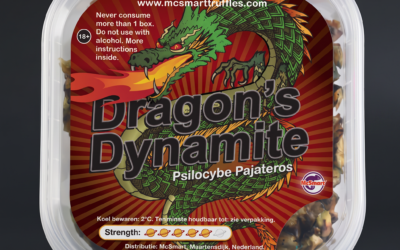
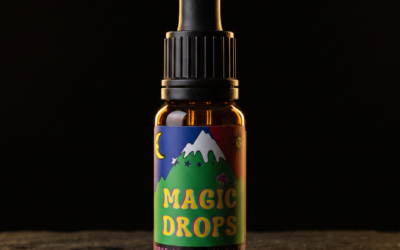
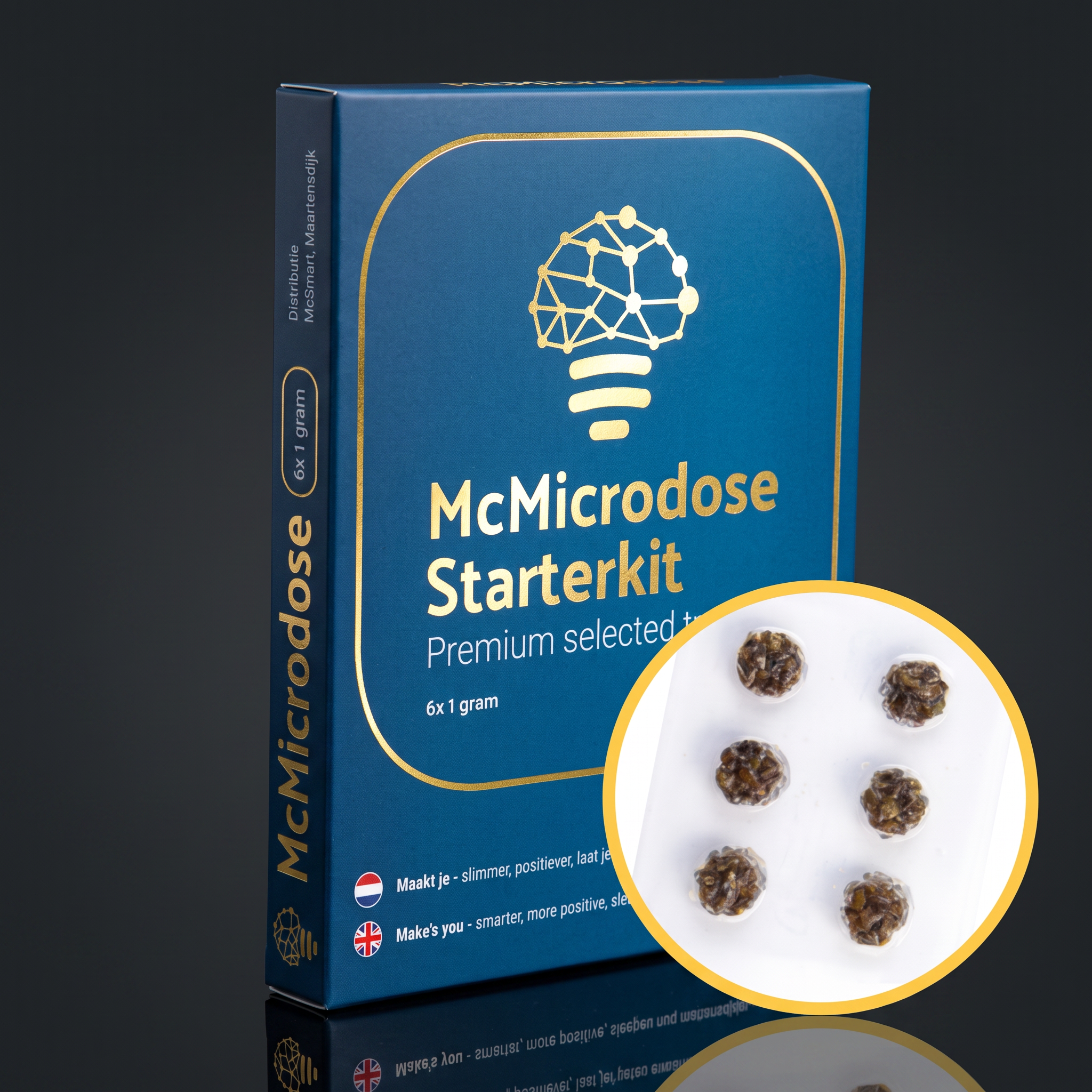
| Psilocybin | The active component. Taken at a sub-perceptual amount, meaning far below anything that produces a noticeable experience. | Magic truffles, or a liquid microdosing product |
| Lion’s Mane | Included for its traditional reputation in relation to nerve tissue and cognitive function. | Extract drops or a mushroom complex |
| Niacin (vitamin B3) | A delivery aid. Produces a flushing response that widens blood vessels. | Any pharmacy or supplement shop |
The three are taken together, on the same days. That is what makes it a stack rather than three separate habits. The proportions and timing vary between sources, which is one reason the protocol is easier to describe than to standardise.
Why Lion’s Mane?
Lion’s Mane, or Hericium erinaceus, is a striking white mushroom that grows in cascading spines rather than a conventional cap. It has been used in East Asian traditions for centuries and has picked up the nickname of a nutrient for the neurons.
Its inclusion in the stack rests on that reputation rather than on settled science. Research into Lion’s Mane and cognition exists but is early, and much of it comes from laboratory or animal work rather than large human trials. What can be said fairly is that it is a well-tolerated edible mushroom with a long history of use, which is a reasonable basis for including it in a daily routine.
Extract drops or a complex?
If you specifically want Lion’s Mane, extract drops give you that one mushroom in a concentrated form. A mushroom complex takes a different approach: smaller amounts of several species, on the reasoning that variety has value in itself. Our Essential 8 contains 50 mg of Lion’s Mane extract per capsule alongside seven other mushrooms, so it is a broader formula rather than a Lion’s Mane product.
For the stack as Stamets described it, the extract drops are the closer match. The complex is a good choice if you want a general daily supplement and the Lion’s Mane is a bonus rather than the point.

The closer match · 50 ml
Concentrated Lion’s Mane extract in a dropper bottle. One mushroom, nothing else, which is what the stack calls for.
€ 34,99
View the drops →
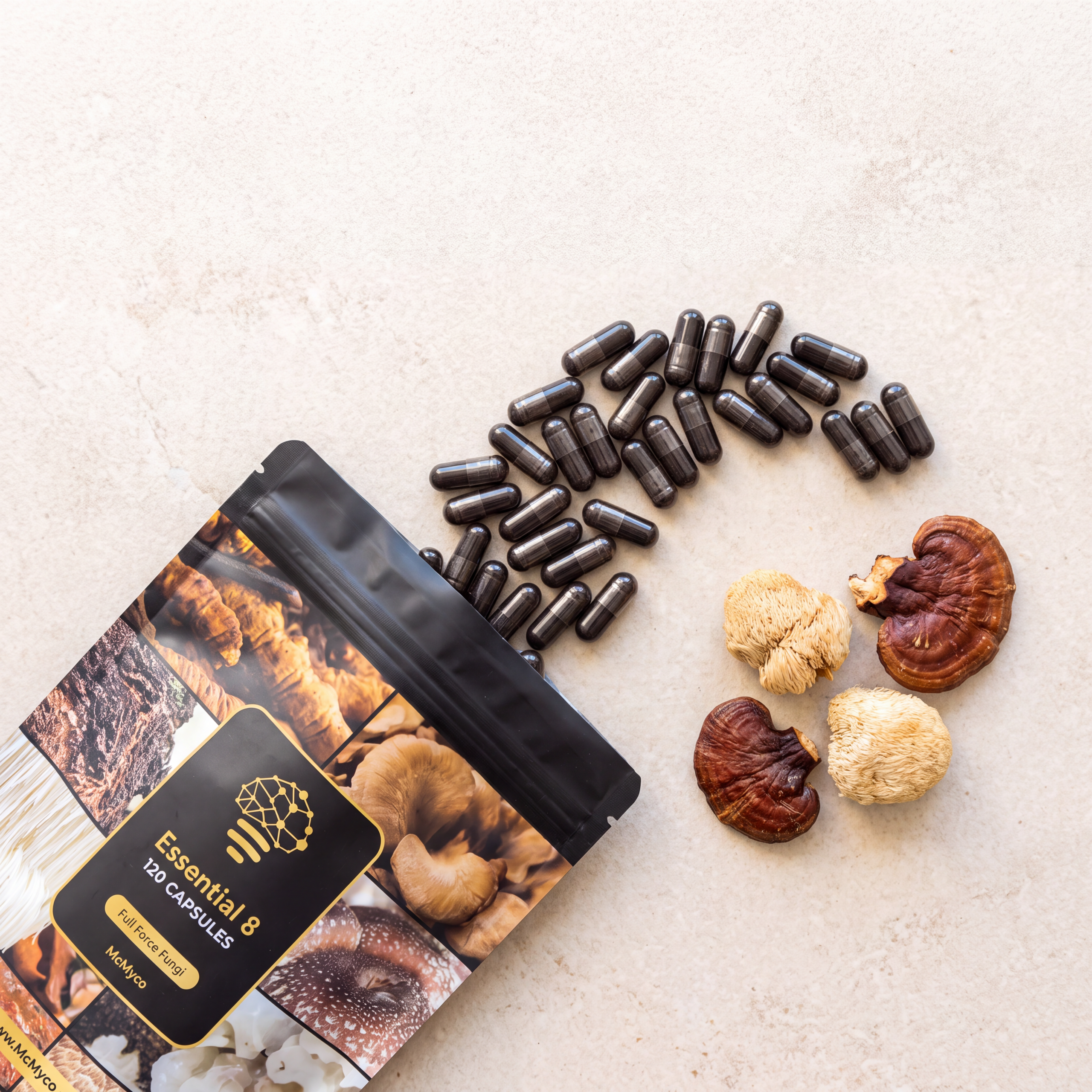
The broader option · 120 capsules
Fifty milligrams each of eight mushrooms including Lion’s Mane, plus vitamin C and zinc. A general daily supplement rather than a dedicated Lion’s Mane product.
€ 34,99
View Essential 8 →
Why niacin, and where to get it
Niacin is vitamin B3, and in the stack it is the odd one out. It is not there for its nutritional value. It is there because of the flush.
At higher amounts, niacin causes a warm, tingling reddening of the skin that typically starts in the face and spreads outward, lasting fifteen to thirty minutes. That flush is the result of blood vessels widening near the skin. The argument in the stack is that this improves circulation of the other components to the periphery of the body.
Two practical notes. First, the flush is harmless but genuinely uncomfortable the first time if you are not expecting it. Second, the flushing form is the point. Supplements labelled as flush-free niacin, usually inositol hexanicotinate, do not produce the response and therefore do not serve the purpose it was included for.
We do not sell niacin. It is an ordinary vitamin B3 supplement, widely available at any pharmacy, drugstore or supplement shop, and it is the cheapest part of the stack. Look for plain niacin rather than a flush-free variant.
The schedule Stamets proposed
The stack is not taken daily. Like every microdosing protocol, it builds in rest days, because tolerance to psilocybin develops quickly and rest days are what keep a small amount feeling like a small amount.
The pattern most often associated with Stamets is four days on and three days off, repeated over a cycle of about a month, followed by a longer break. Other protocols use different rhythms, and we compare those side by side in our guide to microdosing protocols.
If you are entirely new to this, the protocol matters less than the basics: keeping the amount genuinely small, keeping notes so you can tell whether anything is actually changing, and building in the rest days. Our complete guide to microdosing with truffles covers the groundwork.

What the evidence actually says
This is the part most articles skip, so let us be direct about it.
The Stamets Stack is a proposal, not a proven formula. It was put forward by one well-known figure in mycology and spread through communities and podcasts rather than through clinical trials. There is no published research testing the three components in combination against the components alone.
The individual pieces are on firmer but still incomplete ground. Research into microdosing psilocybin has grown considerably, and several placebo-controlled studies have found that expectation accounts for a large share of the reported benefits. Research into Lion’s Mane and cognition is early and mostly preclinical. Niacin’s flushing effect is well established as a physiological fact; whether it meaningfully improves distribution of anything else is not something that has been demonstrated.
None of that makes the stack pointless. It does mean that anyone presenting it as an established cognitive protocol is going further than the evidence allows. If you try it, treat it as an experiment on yourself, keep notes, and be honest about what you are measuring.
Building the stack with our range
Three components, and you can source two of them here.
- The psilocybin component. Fresh magic truffles or a liquid microdosing product, taken at a sub-perceptual amount.
- The Lion’s Mane component. Our Lion’s Mane extract drops for a dedicated extract, or Essential 8 if you would rather have a broader mushroom complex.
- The niacin component. From a pharmacy or supplement shop. Plain niacin, not flush-free.
A practical point on cost. Lion’s Mane and niacin are both ongoing daily purchases, and the psilocybin component is used only on the days the protocol calls for. That means the supplement side often works out as the larger running cost, which surprises people who assume the opposite.
Start with the Lion’s Mane
Concentrated extract in a 50 ml dropper bottle, shipped discreetly from the Netherlands. Niacin you can pick up anywhere.
Free discreet EU shipping over €50 · For adults 18 and over.
Frequently asked questions
What is the Stamets Stack?
A microdosing protocol proposed by mycologist Paul Stamets that combines three components taken together: a sub-perceptual amount of psilocybin, Lion’s Mane mushroom, and niacin (vitamin B3). The three are taken on the same days, with rest days built in.
Why is niacin part of the Stamets Stack?
Niacin causes a flushing response that widens blood vessels near the skin. The reasoning behind including it is that this helps distribute the other components more evenly through the body. Use plain niacin rather than a flush-free variant, because the flush is the reason it is there.
Can I use a mushroom complex instead of Lion’s Mane extract?
You can, but they are not the same thing. A complex contains smaller amounts of several mushrooms, whereas extract drops give you Lion’s Mane in concentrated form. For the stack as originally described, a dedicated Lion’s Mane extract is the closer match.
How often do you take the Stamets Stack?
The pattern usually associated with Stamets is four days on and three days off, run for around a month before taking a longer break. Rest days are not optional in any microdosing protocol, because tolerance to psilocybin builds quickly.
Does the Stamets Stack work?
It has not been tested as a combination in published research. The individual components have varying levels of support: microdosing research has found that expectation accounts for much of the reported effect, Lion’s Mane research is early and largely preclinical, and niacin’s flush is well established as a physiological response but its role as a delivery aid is not demonstrated. Treat it as an experiment rather than an established protocol.
Do you sell niacin?
No. It is an ordinary vitamin B3 supplement available at any pharmacy or supplement shop, and it is the least expensive part of the stack.
For adults 18 and over only. Keep out of reach of children. This article is general information and not medical advice. Food supplements are not a substitute for a varied, balanced diet and a healthy lifestyle, and should not be used to diagnose, treat, cure or prevent any disease. Consult your doctor before use if you are pregnant or breastfeeding, take medication, or have a medical condition. The legal status of psilocybin-containing products varies by country and you are responsible for the law where you live.